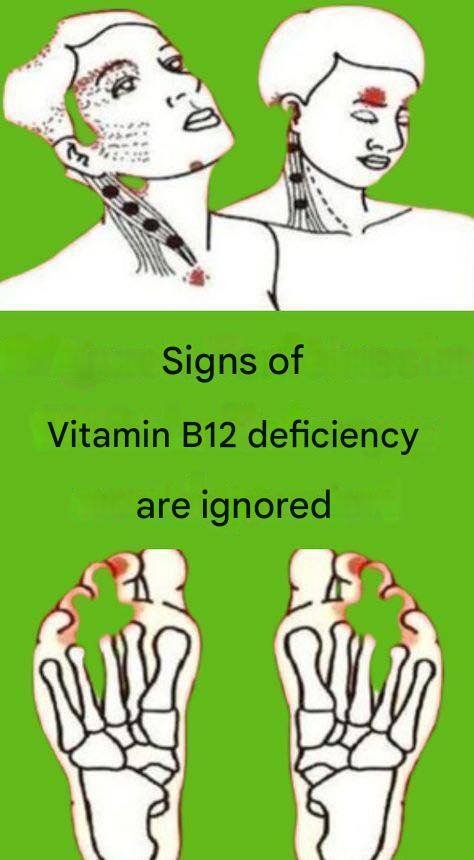
Signs of Vitamin B12 Deficiency That Are Often Ignored
Vitamin B12 is essential for nerve function, red blood cell formation, and DNA synthesis. Yet many people overlook the early warning signs of deficiency until more serious complications develop. Recognizing these subtle symptoms early can help prevent long-term health problems.
Why Vitamin B12 Matters
Vitamin B12 plays a critical role in:
- Maintaining healthy nerve cells
- Producing red blood cells
- Supporting brain function
A deficiency can lead to a condition known as Vitamin B12 deficiency, which may develop slowly and go unnoticed for months or even years.
Commonly Ignored Signs
1. Persistent Fatigue and Weakness
Feeling tired all the time—even after adequate rest—is one of the earliest signs. Low B12 affects red blood cell production, leading to reduced oxygen delivery throughout the body.
2. Pale or Yellowish Skin
A deficiency can cause subtle changes in skin tone due to impaired red blood cell formation or mild jaundice.
3. Tingling or Numbness
A “pins and needles” sensation in the hands or feet may indicate nerve damage. This symptom is often mistaken for poor circulation but can be linked to Peripheral neuropathy.
4. Balance Problems
Difficulty walking, dizziness, or frequent stumbling can occur as nerve function declines.
5. Memory Issues and Brain Fog
Low B12 levels can affect cognitive function, leading to forgetfulness, confusion, and difficulty concentrating. In severe cases, it may be associated with Dementia.
6. Mood Changes
Irritability, depression, or anxiety may develop due to B12’s role in brain chemistry.
7. Mouth and Tongue Problems
A swollen, inflamed tongue (glossitis), mouth ulcers, or a burning sensation in the mouth can be overlooked signs.
8. Shortness of Breath and Dizziness
These symptoms may occur due to Anemia caused by insufficient B12.
9. Vision Disturbances
Blurred or disturbed vision can result from damage to the optic nerve, though this is less common.
Who Is at Risk?
Certain groups are more prone to deficiency:
- Older adults
- Vegetarians and vegans (B12 is mainly found in animal products)
- People with digestive disorders
- Individuals taking certain medications (e.g., acid reducers)
Why These Signs Are Often Ignored
- Symptoms develop gradually
- They mimic other common conditions (fatigue, stress, aging)
- Lack of awareness about nutritional deficiencies
How to Prevent and Manage It
- Eat B12-rich foods (meat, eggs, dairy, fortified cereals)
- Consider supplements if at risk
- Get regular blood tests, especially if symptoms appear
When to See a Doctor
If you notice ongoing fatigue, numbness, or cognitive changes, it’s important to seek medical advice. Early diagnosis and treatment can reverse most symptoms and prevent permanent nerve damage.
Final Thoughts
Vitamin B12 deficiency is more common than many realize, and its signs are often subtle. Paying attention to these overlooked symptoms can make a significant difference in maintaining long-term health and well-being.
If you want, I can also add a diet plan rich in B12 or explain how quickly levels can recover after treatment.
