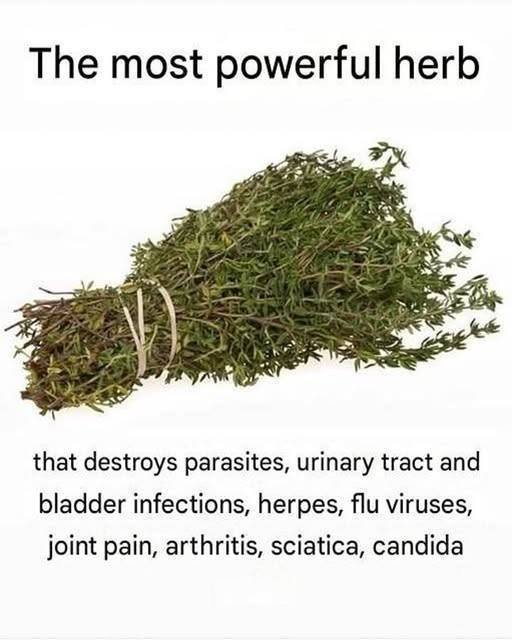
That headline is heavily exaggerated. Oregano is a useful herb with some antimicrobial properties—but it is not a cure-all for parasites, infections, or viruses.
Let’s separate facts from hype 👇
🌿 What Oregano Actually Does
Oregano contains active compounds like carvacrol and thymol, which have:
- Antibacterial effects
- Antifungal effects
- Mild antiviral activity (in lab settings)
👉 This is why oregano oil is sometimes used in traditional remedies.
⚠️ What It Does NOT Do
There’s no strong clinical evidence that oregano can:
- “Destroy” parasites in the body
- Cure Urinary Tract Infections
- Treat Herpes
- Eliminate Influenza (flu viruses)
Most of the claims come from lab studies (in test tubes)—not real human treatment results.
🧠 Why These Claims Spread
- “Natural cure” headlines attract attention
- Lab results get exaggerated into real-world cures
- People prefer herbal solutions over medication
👉 But the human body is far more complex.
🌿 Safe Ways to Use Oregano
✔️ As a food
- Great in cooking (anti-inflammatory benefits)
✔️ As tea
- May soothe digestion or mild throat irritation
✔️ Oregano oil (carefully)
- Can have antimicrobial effects
- Must be diluted—can irritate skin or stomach
🚨 When You Need Real Treatment
For actual infections:
- Urinary Tract Infections → often need antibiotics
- Herpes → antiviral medication
- Influenza → rest, fluids, sometimes antivirals
- Parasitic infections → specific prescribed drugs
👉 Delaying proper treatment can make things worse.
⚠️ Risks of Overusing Oregano Oil
- Stomach irritation
- Allergic reactions
- Interaction with medications
✅ Bottom line
Oregano is:
✔️ A healthy herb with some antimicrobial properties
❌ Not a powerful cure for serious infections
Think of it as supportive, not a replacement for medical care.
If you want, I can list herbs that actually have strong evidence behind them—and when they’re worth using vs not.
