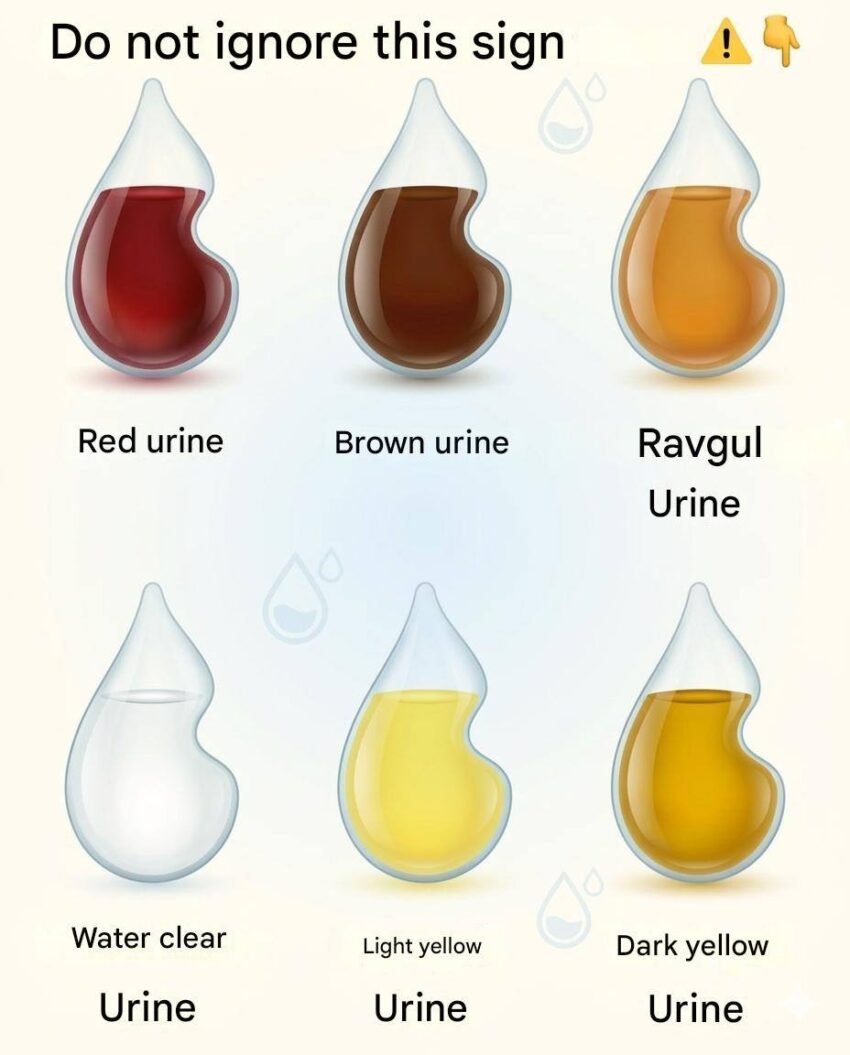
Urine color can be a surprisingly useful (and quick) indicator of what’s going on inside your body. While it’s not a diagnostic tool on its own, consistent changes can signal hydration levels, diet effects, medications, or even underlying health issues.
Here’s a comprehensive guide to what different urine colors may mean:
🟡 Pale Yellow to Transparent
What it means:
- Ideal or well-hydrated state
- Caused by a pigment called urochrome
Notes:
- Very pale or clear urine may mean you’re overhydrated, which can dilute electrolytes if excessive.
🟡 Dark Yellow / Amber
What it means:
- Mild to moderate dehydration
- Your body is conserving water
What to do:
- Increase fluid intake, especially water
🟠 Orange
Possible causes:
- Dehydration
- Certain medications (like Rifampin or Phenazopyridine)
- High intake of carotene-rich foods (carrots, sweet potatoes)
- Liver or bile duct issues (less common but important)
When to worry:
- If accompanied by pale stools or yellowing of skin/eyes → could indicate liver problems
🔴 Red or Pink
Possible causes:
- Blood in urine (a condition called Hematuria)
- Foods like beets, rhubarb, blueberries
- Medications
Serious possibilities:
- Kidney stones
- Urinary tract infections
- Tumors in urinary tract
Important:
- If unexplained, this needs medical evaluation
🟤 Brown or Cola-colored
Possible causes:
- Severe dehydration
- Liver diseases like Hepatitis
- Muscle breakdown (rhabdomyolysis)
- Certain medications
When to act:
- If persistent or combined with fatigue, abdominal pain, or jaundice
🔵 Blue or 🟢 Green
Rare but possible causes:
- Food dyes or artificial coloring
- Certain medications
- Rare genetic conditions
- Infections (some bacteria can cause greenish urine)
Medications example:
- Amitriptyline
- Indomethacin
⚪ Cloudy or Milky
Possible causes:
- Urinary tract infection (Urinary Tract Infection)
- Kidney stones
- Presence of pus or excess minerals
Look for:
- Foul smell, burning sensation, frequent urge to urinate
🫧 Foamy or Bubbly
Possible causes:
- Normal (especially if urine hits water forcefully)
- Excess protein in urine (proteinuria)
Associated condition:
- Kidney disease, such as Chronic Kidney Disease
Key Factors That Influence Urine Color
- Hydration level (most common factor)
- Diet (beets, berries, food dyes)
- Medications and supplements
- Underlying diseases (liver, kidney, infections)
🚨 When You Should See a Doctor
- Persistent red, brown, or very dark urine
- Cloudy urine with pain or fever
- Foamy urine that doesn’t go away
- Yellowing of skin/eyes (possible liver issue)
- Sudden color changes with no clear reason
Bottom Line
Think of urine color as a daily “health snapshot.” Pale yellow is your target. Occasional changes are normal, but persistent or unusual colors—especially red, brown, or cloudy—shouldn’t be ignored.
If you want, you can tell me your current urine color and any symptoms—I can help you interpret it more specifically.
