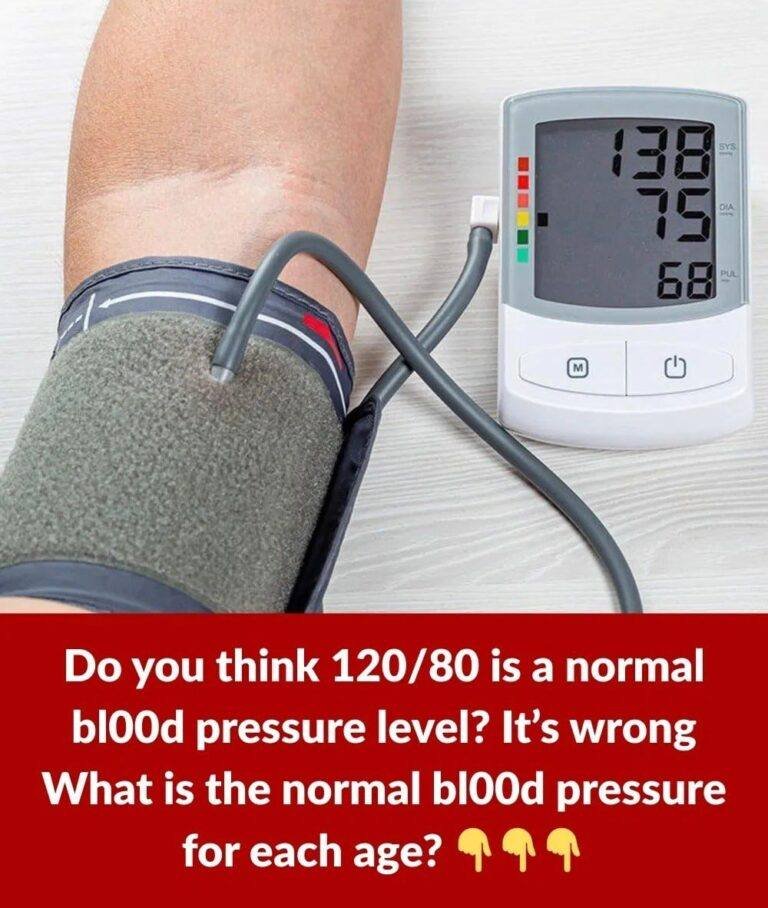
“Normal blood pressure” changes with age, especially in children. For adults, it’s fairly standard.
Here’s a simple age-based guide:
🧒 Children (approximate normal ranges)
Blood pressure in kids is based on age, height, and sex, but these are typical averages:
- Newborn (0–1 month): ~60–90 / 20–60 mmHg
- Infant (1–12 months): ~87–105 / 53–66
- Toddler (1–3 years): ~95–105 / 53–66
- Preschool (3–5 years): ~95–110 / 56–70
- School age (6–12 years): ~97–120 / 57–80
- Teen (13–17 years): ~110–135 / 65–85
🧑 Adults (18+ years)
For most adults, normal is consistent:
- Normal: less than 120 / 80 mmHg
- Elevated: 120–129 / less than 80
- High blood pressure (Stage 1): 130–139 / 80–89
- High blood pressure (Stage 2): 140+ / 90+
- Hypertensive crisis: 180+ / 120+ (urgent)
👵 Older adults (60+)
- Still generally <120/80 is ideal, but
- Slightly higher readings (like 130s systolic) can be common due to stiffening arteries
- Doctors often personalize targets based on health conditions
⚠️ Important note
A single reading isn’t enough to diagnose anything—blood pressure naturally changes with stress, activity, sleep, and even caffeine.
If you want, I can also tell you:
- what is considered dangerously low BP
- how to check BP correctly at home
- or what BP is “normal” during pregnancy
