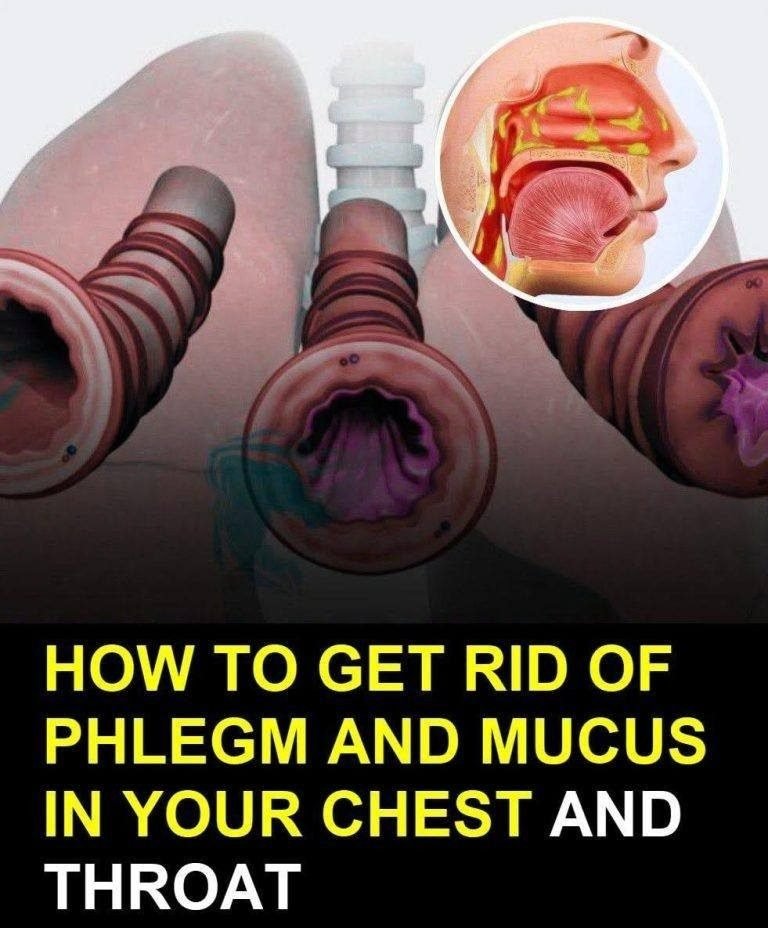
8 Ways to Get Rid of Phlegm and Mucus in Chest and Throat
Phlegm and mucus buildup in the chest and throat is a common problem caused by colds, flu, allergies, smoking, or respiratory infections. While it is usually not serious, it can be uncomfortable, causing coughing, throat irritation, and a heavy feeling in the chest. Here are eight effective and practical ways to help clear mucus naturally and medically.
1. Drink Plenty of Warm Fluids
Staying hydrated is one of the most important steps. Warm fluids such as hot water, herbal teas, and clear broths help thin thick mucus, making it easier to expel from the respiratory tract. When mucus is thin, your body can clear it more effectively through coughing.
2. Steam Inhalation Therapy
Inhaling steam helps loosen mucus stuck in the chest and throat. The warm moisture opens airways and reduces congestion. You can inhale steam from a bowl of hot water or take a hot shower and breathe deeply. This method is especially useful before sleep.
3. Saltwater Gargling
Gargling with warm salt water helps remove mucus from the throat and reduces inflammation and irritation. It also helps clear bacteria and allergens that may be contributing to excess mucus production.
4. Use an Expectorant (When Necessary)
Over-the-counter expectorants help loosen and thin mucus so it can be coughed out more easily. A commonly used medicine is Guaifenesin, which is often found in cough syrups and tablets. Always follow dosage instructions and consult a pharmacist or doctor if needed.
5. Honey for Throat Relief
Honey is a natural remedy known for soothing the throat and reducing coughing. Taking a spoon of honey or mixing it in warm water or tea can help calm irritation and make breathing more comfortable, especially at night.
6. Use a Humidifier
Dry air can make mucus thicker and harder to clear. A humidifier adds moisture to the air, keeping the respiratory tract hydrated and helping mucus stay loose. This is particularly helpful in dry climates or air-conditioned rooms.
7. Controlled Breathing and Chest Clearing Techniques
Deep breathing exercises and controlled coughing can help move mucus from the lungs to the throat where it can be expelled. In some cases, gentle chest physiotherapy (light tapping on the chest/back) can also help loosen mucus buildup.
8. Avoid Smoke and Irritants
Exposure to cigarette smoke, dust, pollution, and strong chemical odors can increase mucus production and worsen symptoms. Avoiding these irritants allows your airways to heal and reduces ongoing mucus buildup.
Final Thoughts
Mucus and phlegm are often your body’s way of protecting the respiratory system, but excessive buildup can be uncomfortable. Most cases improve with home care, hydration, and rest. However, if symptoms persist for more than two weeks or are accompanied by fever, chest pain, or difficulty breathing, it’s important to seek medical attention.
If you want, I can also turn this into a blog post format (SEO optimized) or a short social media article.
