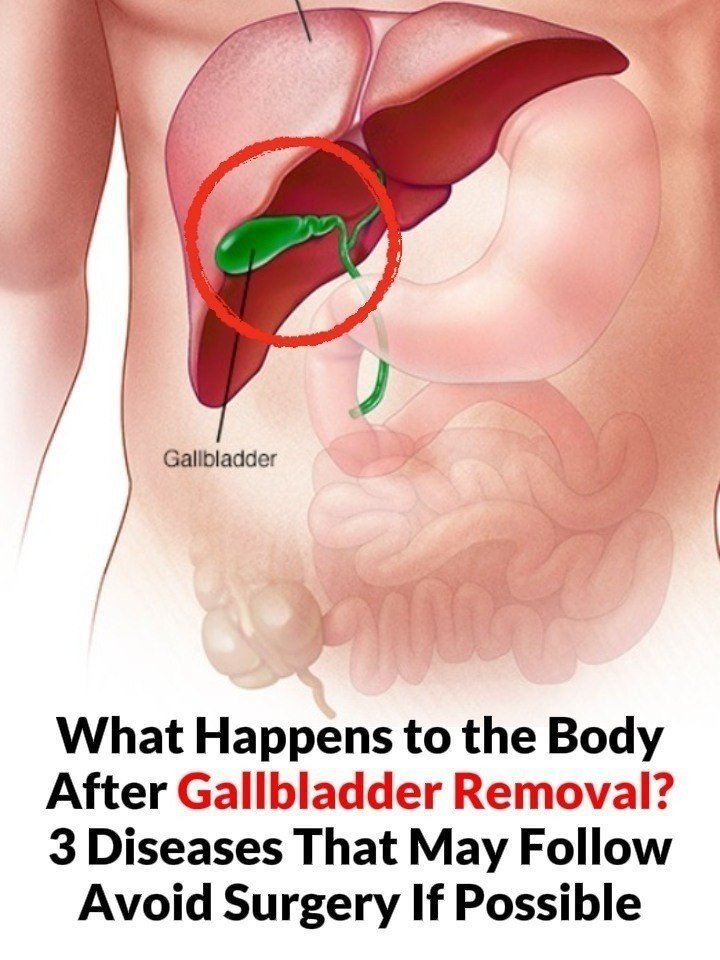
Gallbladder removal (called cholecystectomy) is a very common and generally safe procedure—but like any surgery, it can have long-term effects. The claim that you should always avoid it isn’t accurate; in many cases (like severe symptoms or complications), it’s clearly the best option. That said, there are some conditions people can develop afterward.
Here are three commonly discussed ones:
1. Postcholecystectomy Syndrome (PCS)
This is a broad term for digestive symptoms that persist after surgery.
Symptoms may include:
- Bloating
- Diarrhea
- Abdominal pain
- Indigestion
Why it happens:
Without the gallbladder, bile flows continuously into the intestines instead of being stored and released in controlled amounts.
2. Bile Acid Diarrhea
Some people develop chronic diarrhea due to excess bile entering the colon.
Mechanism:
- Normally, bile is stored and released during meals
- After removal, bile can irritate the intestines
Related concept: bile acid malabsorption
3. Increased Risk of Digestive Issues (and possibly other conditions)
Some studies suggest links between gallbladder removal and:
- Changes in gut microbiome
- Higher risk of fatty liver (nonalcoholic fatty liver disease)
- Difficulty digesting fatty foods
These risks vary widely and are not guaranteed.
Should You Avoid Gallbladder Surgery?
Not necessarily.
Avoiding surgery can be risky if you have serious gallbladder disease such as:
- gallstones causing repeated pain
- cholecystitis (infection/inflammation)
- Blocked bile ducts
In these cases, delaying surgery can lead to dangerous complications like infection, pancreatitis, or rupture.
The Balanced Reality
- Yes, some people experience long-term digestive changes
- But, most people recover well and live normal lives
- Surgery is usually recommended only when benefits outweigh risks
When You Might Try Alternatives First
If symptoms are mild:
- Diet changes (low-fat diet)
- Weight management
- Monitoring instead of immediate surgery
Bottom line
Gallbladder removal shouldn’t be avoided out of fear alone—it should be a carefully weighed medical decision. For many patients, it prevents far more serious problems than the side effects it may cause.
If you want, tell me your symptoms or situation—I can help you figure out whether surgery is typically recommended in cases like yours.
