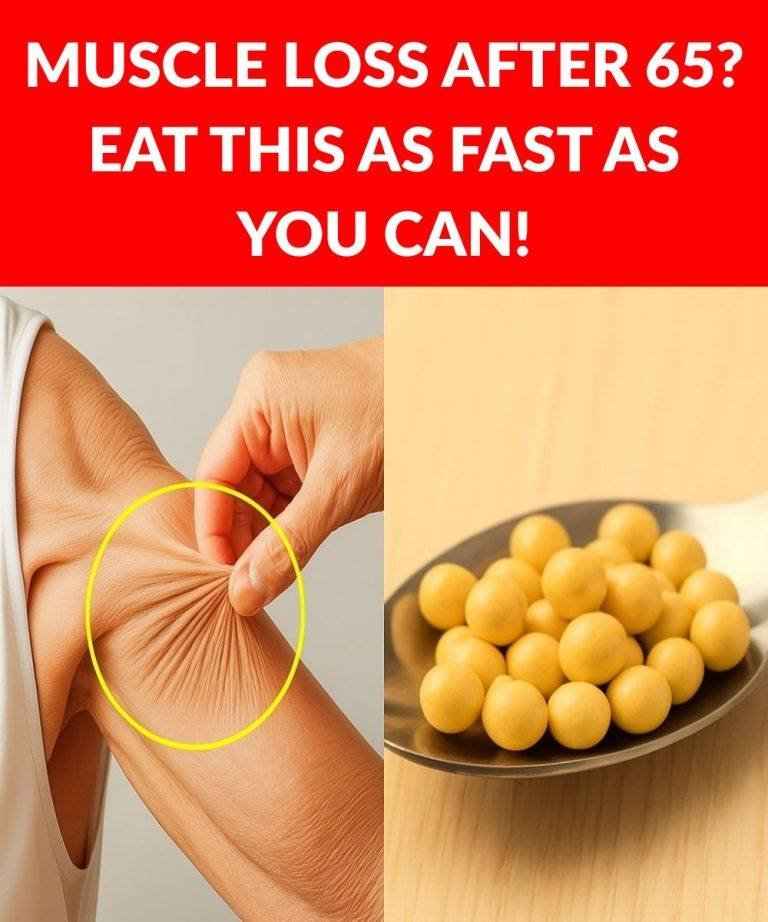
Maintaining muscle strength in older age is essential for mobility, independence, and overall health. With aging, the body naturally loses muscle mass—a condition known as Sarcopenia—but proper nutrition can significantly slow or even reverse this process.
Below is an article-style guide to foods that help strengthen muscles in old age, along with the science behind them.
🥗 Foods That Strengthen Muscles in Old Age
🧬 Why Muscle Loss Happens
As we age, the body becomes less efficient at building and repairing muscle due to:
- Reduced protein synthesis
- Hormonal changes
- Lower physical activity
- Nutrient deficiencies
This makes diet especially important for preserving muscle strength.
🍗 1. Protein-Rich Foods (Foundation of Muscle Health)
Protein provides amino acids needed for muscle repair and growth. Older adults actually need more protein per kilogram than younger people.
Best sources:
- Lean meats (chicken, beef)
- Fish (especially fatty fish)
- Eggs
- Dairy (milk, yogurt, cheese)
- Plant-based proteins (lentils, beans, chickpeas)
👉 Key concept: Protein synthesis
Adequate protein intake directly supports this process.
🐟 2. Fatty Fish (Anti-inflammatory & Muscle Protective)
Fatty fish are rich in omega-3 fatty acids, which:
- Reduce muscle inflammation
- Improve muscle function
- Enhance protein utilization
Examples:
- Salmon
- Mackerel
- Sardines
Omega-3s also help combat chronic inflammation, which accelerates muscle loss.
🥛 3. Dairy Products (Protein + Calcium Combo)
Dairy foods contain:
- High-quality protein (casein + whey)
- Calcium for bone strength
- Vitamin D (if fortified)
These nutrients work together to support both muscles and bones, reducing fall risk.
🥜 4. Nuts and Seeds (Energy & Healthy Fats)
Nuts provide:
- Protein
- Magnesium
- Healthy fats
Magnesium plays a role in muscle contraction and relaxation.
Good choices:
- Almonds
- Walnuts
- Chia seeds
- Flaxseeds
🍌 5. Fruits Rich in Potassium and Antioxidants
Fruits help reduce muscle fatigue and oxidative stress.
Important nutrients:
- Potassium → prevents muscle cramps
- Antioxidants → reduce muscle damage
Examples:
- Bananas
- Oranges
- Berries
🥬 6. Leafy Green Vegetables (Micronutrient Powerhouses)
Greens are rich in:
- Iron (oxygen transport to muscles)
- Calcium
- Vitamin K
Examples:
- Spinach
- Kale
- Fenugreek leaves
These nutrients support endurance and muscle function.
🍚 7. Whole Grains (Sustained Energy Source)
Muscles need energy to function and recover.
Whole grains provide:
- Complex carbohydrates
- Fiber
- B vitamins
Examples:
- Brown rice
- Oats
- Whole wheat
☀️ 8. Vitamin D-Rich Foods (Muscle Function Booster)
Vitamin D deficiency is common in older adults and is linked to weakness.
👉 Related condition: Vitamin D deficiency
Sources:
- Sunlight exposure
- Fortified milk
- Egg yolks
- Fatty fish
Vitamin D improves muscle strength and balance.
💧 9. Hydration (Often Overlooked)
Even mild dehydration can:
- Reduce muscle performance
- Increase fatigue
- Cause cramps
Older adults should consciously maintain fluid intake.
⚖️ Balanced Diet Tips for Seniors
- Aim for protein in every meal
- Combine protein + carbohydrates after activity
- Eat smaller, frequent meals if appetite is low
- Include a variety of nutrient-dense foods
🏃♂️ Nutrition + Activity = Best Results
Diet alone isn’t enough. Combining nutrition with:
- Light resistance training
- Walking
- Stretching
greatly improves muscle strength and prevents frailty.
📌 Conclusion
Muscle loss in old age is not inevitable. With the right foods—especially protein-rich items, healthy fats, vitamins, and minerals—older adults can maintain strength, mobility, and independence. A well-balanced diet, paired with regular physical activity, is the most effective strategy to combat Sarcopenia and promote healthy aging.
If you want, I can tailor this into a diet plan for elderly (Pakistani foods) or a weekly meal chart.
