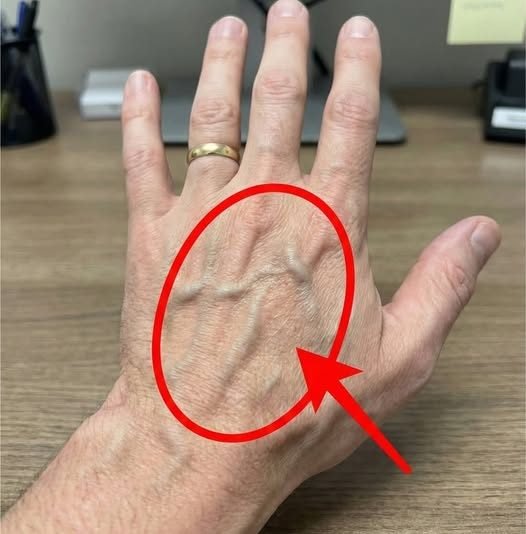
The idea that “if you have visible veins, it means you are ___” is a very common social media claim—but it’s usually oversimplified or misleading. Here’s a clear, article-style explanation based on physiology and health science.
Visible Veins: What Do They Really Mean?
Visible veins—especially on the arms, hands, or legs—are often associated with fitness, health, or even specific body traits. While they can indicate certain conditions, they are not a one-size-fits-all sign of anything specific.
1. Low Body Fat Percentage
One of the most common reasons for visible veins is low body fat.
- Fat sits between your skin and veins
- Less fat = veins appear closer to the surface
- Common in athletes, bodybuilders, and lean individuals
👉 This is why people often associate visible veins with being “fit” or “in shape.”
2. Muscle Mass and Exercise
People with more muscle often have more visible veins.
- Muscle growth pushes veins closer to the skin
- Exercise increases blood flow (called vascularity)
- Temporary vein visibility can increase after workouts
👉 This is why veins “pop out” during or after physical activity.
3. Genetics
Some people naturally have more visible veins regardless of fitness.
- Skin thickness varies by person
- Vein placement differs genetically
- Some people are simply more “vascular”
👉 So visible veins do not automatically mean someone is fitter than others.
4. Skin Tone and Thickness
- Lighter or thinner skin makes veins easier to see
- Aging reduces skin thickness, making veins more prominent
5. Temperature and Blood Flow
Heat causes veins to expand:
- Hot weather → veins appear larger
- Cold weather → veins shrink and become less visible
6. Medical Conditions (Less Common but Important)
In some cases, visible veins can be related to health issues:
Varicose Veins
- Enlarged, twisted veins (often in legs)
- Can cause discomfort or pain
Chronic Venous Insufficiency
- Poor blood flow in veins
- Swelling, heaviness, or skin changes
👉 If veins are painful, swollen, or suddenly more visible, it’s worth consulting a doctor.
7. Dehydration
When the body is dehydrated:
- Blood volume decreases
- Veins may appear more prominent
Common Myths
❌ “Visible veins mean you are very healthy”
Not always. It can be associated with fitness, but it’s not a guaranteed sign of health.
❌ “Only muscular people have visible veins”
False—genetics and skin type play a big role.
❌ “It means you have high blood pressure”
No direct link. Vein visibility does not diagnose blood pressure.
Conclusion
Visible veins are usually a normal and harmless physical trait influenced by:
- Body fat
- Muscle mass
- Genetics
- Skin characteristics
- Temperature and hydration
In most cases, they are simply a variation of human anatomy—not a definitive indicator of health or fitness.
If you want, I can break down what visible veins mean specifically for your body type or situation—just tell me where you notice them (arms, legs, chest, etc.).
