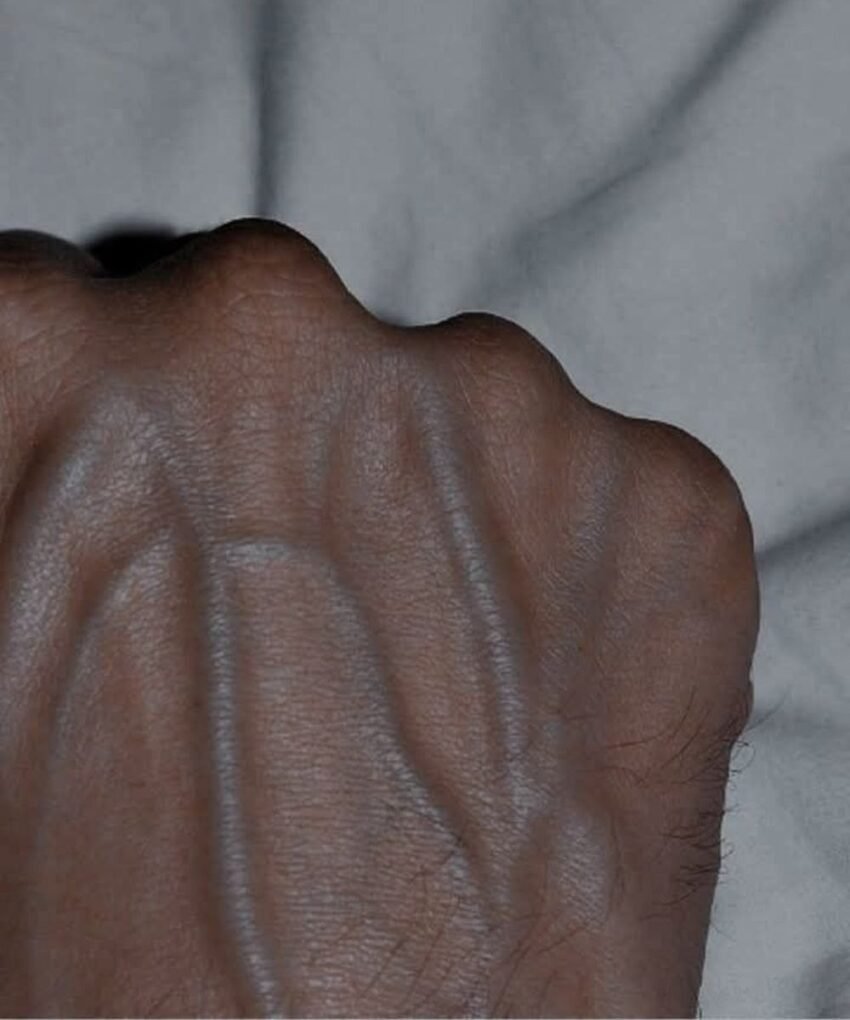
That “If you have visible veins, it means you are…” claim is another oversimplified internet myth. Visible veins don’t point to one specific condition—they’re usually explained by normal body factors, not a hidden disease.
What Visible Veins Usually Mean
1. Aging (most common)
As skin gets thinner with age, veins naturally show more. This is especially true in the hands and arms.
2. Lower Body Fat
Less fat under the skin = veins appear more prominent.
This is common in naturally lean people.
3. Heat or Physical Activity
- Warm weather or exercise causes veins to expand
- They become more noticeable temporarily
4. Genetics
Some people simply inherit:
- Thinner skin
- More visible veins
What It Does NOT Automatically Mean
Visible veins are not a reliable sign of:
- Heart disease
- Poor circulation
- High blood pressure
Those conditions involve deeper systems like Atherosclerosis, not the surface veins you see.
When Visible Veins Could Be a Concern
Pay attention only if you also notice:
- Pain or tenderness
- Swelling
- Redness or warmth
- Sudden changes in vein appearance
In such cases, it could relate to:
- Varicose Veins
- Thrombophlebitis
A Simple Reality Check
For someone older (especially 60+):
- Visible veins are very common and usually harmless
- They often reflect normal aging, not illness
Bottom Line
If your veins are visible, it most likely means:
- Your skin is thinner
- Your body fat is lower
- Or your circulation is temporarily increased
Not that something is wrong.
If you want, I can explain the real warning signs of poor circulation or heart problems—the ones that actually matter and shouldn’t be ignored.
