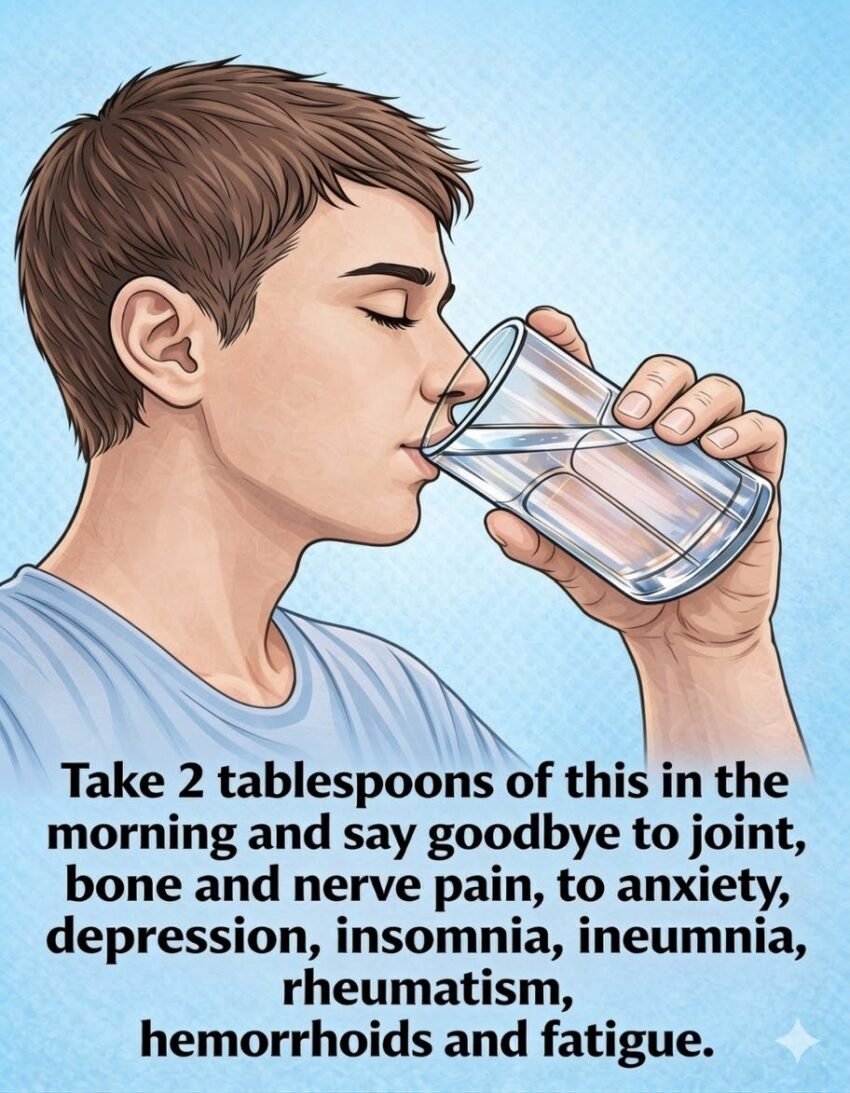
“Take 2 Tablespoons Every Morning”? Magnesium for Bone, Nerve & Joint Comfort
The idea sounds simple—but it needs a reality check. Magnesium is important for muscles, nerves, and bones, but “2 tablespoons every morning” is not a safe or standard recommendation. The right amount depends on the form and your individual needs.
Why Magnesium Matters
Magnesium plays a role in:
- Muscle relaxation (may reduce cramps and stiffness)
- Nerve signaling (can help with tingling or tension)
- Bone health (works with calcium and vitamin D)
Low levels may contribute to discomfort in conditions like Arthritis or general muscle aches.
Can Magnesium Help with Pain?
It may help indirectly, especially if you’re deficient:
- Supports muscle relaxation → less tightness
- Helps nerve function → may reduce irritation
- Aids sleep → better recovery
👉 But it’s not a painkiller and won’t cure chronic joint disease.
The Problem with “2 Tablespoons”
Magnesium comes in different forms:
- Powders
- Liquids
- Capsules
“2 tablespoons” could mean very different—and sometimes excessive—amounts, which may cause:
- Diarrhea
- Stomach cramps
- Electrolyte imbalance
👉 Typical supplemental doses are much smaller and measured in milligrams (mg), not spoons.
Safer, Natural Ways to Get Magnesium
Food Sources
Include magnesium-rich foods daily:
- Leafy greens (spinach)
- Nuts and seeds
- Whole grains
- Bananas
Supplements (If Needed)
- Use only recommended doses
- Choose forms like magnesium glycinate or citrate
- Consult a doctor if you’re over 60 or on medications
Simple Morning Routine (Safe Version)
Instead of random spoonfuls:
- Eat a balanced breakfast
- Add nuts or seeds
- Stay hydrated
- Take a measured supplement only if advised
When to Be Careful ⚠️
- Kidney problems
- Heart medications
- Persistent pain or nerve symptoms
These require medical guidance before using supplements.
The Bottom Line
Magnesium can support muscle, nerve, and bone health—but the “2 tablespoons” claim is misleading and potentially unsafe. Focus on balanced intake and proper dosing, not exaggerated shortcuts.
If you want, I can suggest the exact daily magnesium range for your age and a simple plan to meet it safely.
