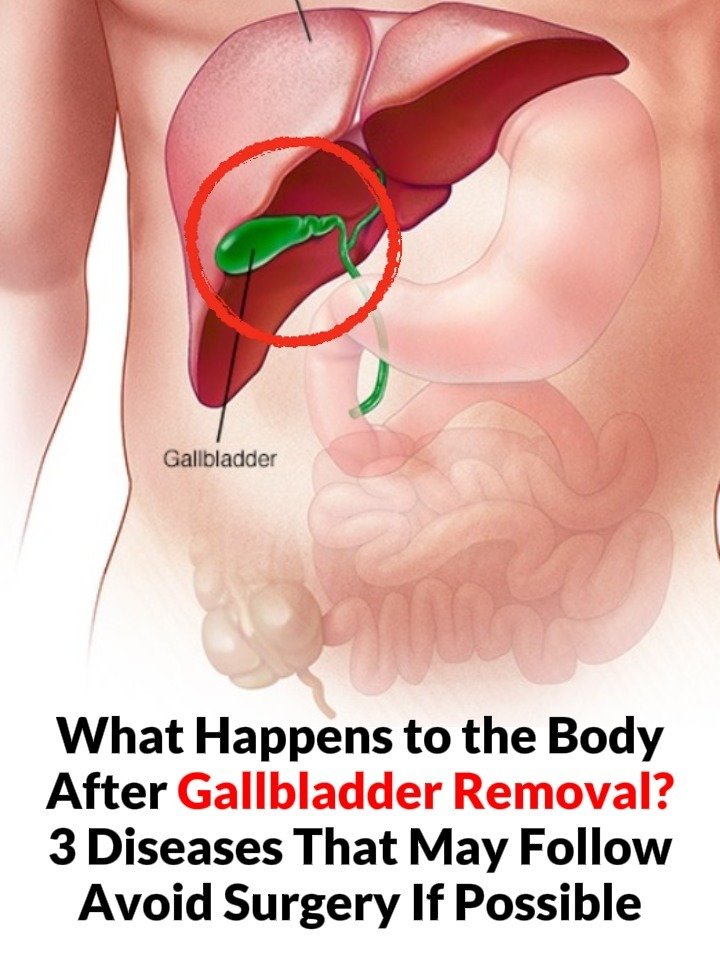
What Happens to the Body After Gallbladder Removal?
And the Truth About “Diseases That May Follow”
You may have seen warnings like “avoid surgery at all costs” after gallbladder removal. While it’s true that your body changes after surgery, these claims are often exaggerated.
Let’s look at what actually happens—and what risks are real.
What Does the Gallbladder Do?
The gallbladder stores bile, a digestive fluid made by the liver that helps break down fats.
In a procedure called Cholecystectomy, the gallbladder is removed—usually due to gallstones or inflammation.
What Changes After Removal?
Without a gallbladder:
- Bile flows directly from the liver into the intestine
- Fat digestion still happens, but less efficiently at once
- Most people adapt within weeks to months
Good news: Many people live completely normal, healthy lives without a gallbladder.
Common Effects After Surgery
1. Digestive Changes
Some people experience:
- Bloating
- Loose stools
- Difficulty digesting fatty foods
This is often temporary and improves with diet adjustments.
2. Diarrhea (Post-Cholecystectomy)
A small percentage develop ongoing loose stools due to constant bile flow.
This is sometimes called bile acid diarrhea, and it can usually be managed with diet or medication.
3. Mild Fat Malabsorption
Because bile isn’t stored and released in large amounts, fat digestion may be less efficient—especially right after surgery.
“3 Diseases That May Follow” — Fact vs Myth
Some sources claim serious diseases will follow. Here’s the reality:
✔ Possible (but not guaranteed):
- Digestive disturbances (common but manageable)
- Bile reflux (less common)
- Irritation of the intestines
❌ Often exaggerated or misleading:
- Permanent severe illness
- Major organ failure
- Guaranteed chronic disease
There is no strong evidence that gallbladder removal directly causes major diseases in most people.
Related Conditions Sometimes Mentioned
Some conditions may occur but are not inevitable:
- Irritable Bowel Syndrome (symptoms may overlap, not directly caused)
- Gastroesophageal Reflux Disease (can worsen in some cases)
These depend on individual health—not just the surgery itself.
Should You Avoid Surgery?
Not necessarily.
Gallbladder removal is often recommended when there are:
- Painful gallstones
- Repeated infections
- Risk of complications like blockage or pancreatitis
Avoiding necessary surgery can be dangerous. Untreated gallbladder disease can lead to serious complications.
How to Stay Healthy After Surgery
- Eat smaller, low-fat meals initially
- Gradually reintroduce healthy fats
- Stay hydrated
- Maintain a balanced diet rich in fiber
Final Verdict
Gallbladder removal changes how your body handles fat digestion, but most people recover well and live normally.
The idea that it leads to multiple unavoidable diseases is overstated and misleading. Surgery should be based on medical need—not fear.
If you want, I can share a simple post-surgery diet plan or signs that indicate surgery is truly necessary.
