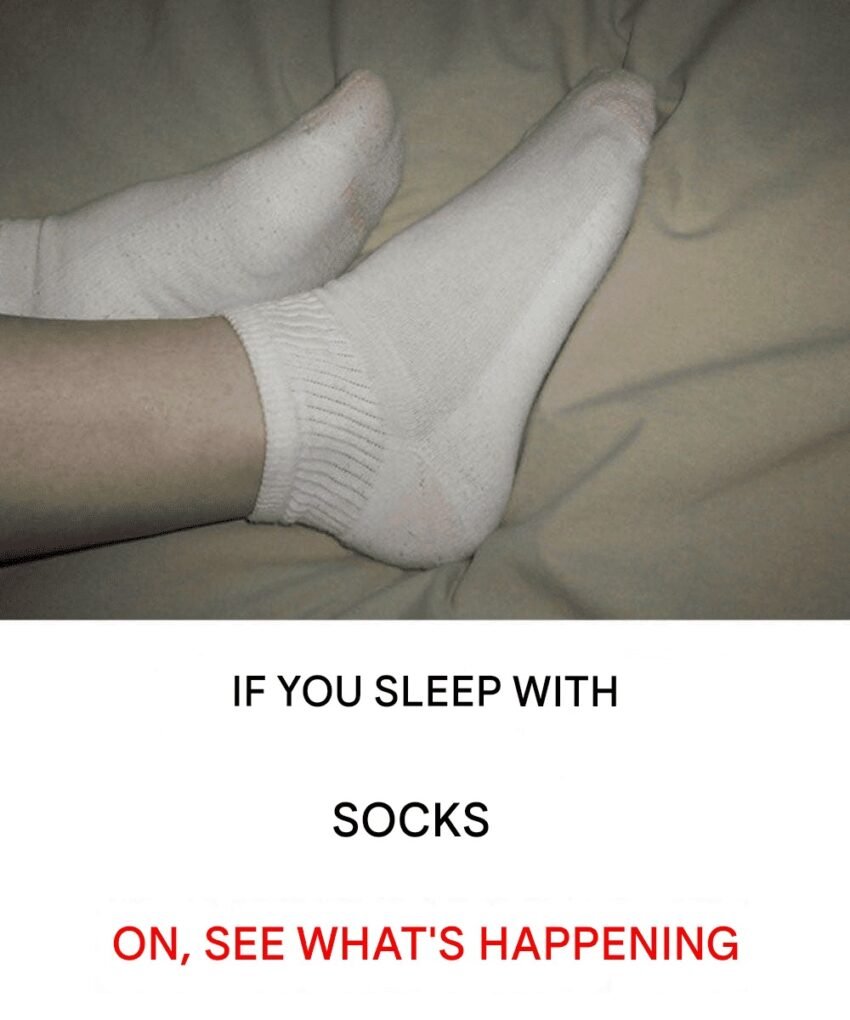
The idea that seniors should always wear socks at home isn’t a strict medical rule—but there are good health and safety reasons why it’s often recommended, especially for older adults.
Here’s a clear, practical breakdown 👇
🧦 1. Better circulation & warmth
As people age, blood circulation can slow down, especially in the feet.
- Cold feet are more common
- Conditions like Peripheral artery disease can reduce blood flow
👉 Socks help keep feet warm, which supports comfort and circulation.
🚶 2. Reduced risk of slips and falls
Falls are a major concern for seniors.
- Bare feet or smooth floors can be slippery
- Socks with non-slip grips improve traction
👉 This lowers the risk of injuries like fractures.
🦶 3. Protection for sensitive skin
Aging skin becomes:
- Thinner
- Drier
- More prone to injury
Socks act as a protective barrier against:
- Cuts
- Scratches
- Irritation from flooring
🦠 4. Hygiene and infection prevention
Feet are more vulnerable to infections in older adults, especially if there are conditions like:
- Diabetes
- Weakened immunity
Socks help:
- Keep feet clean
- Reduce exposure to bacteria and fungi
👉 This is especially important for people with diabetic foot risk.
🩺 5. Support for foot conditions
Many seniors deal with:
- Swelling
- Poor circulation
- Nerve issues
Special socks (like compression socks) can help with:
- Mild swelling
- Blood flow
🌙 6. Better sleep
Cold feet can interfere with sleep.
- Wearing socks may help regulate body temperature
- Can make it easier to fall asleep
⚠️ When socks might NOT be ideal
- Very tight socks → can restrict circulation
- Damp socks → increase risk of fungal infection
- Walking in socks on slippery floors (without grips) → fall risk
